
10 Warning Lights on Your Dashboard You Should Never Ignore in Nairobi Traffic
Nairobi traffic is unforgiving. Stuck in stop-and-go jams, surrounded by matatus and boda bodas, the last thing you need is a dashboard warning light flashing unexpectedly.
Mwai Muia
4/1/20263 min read
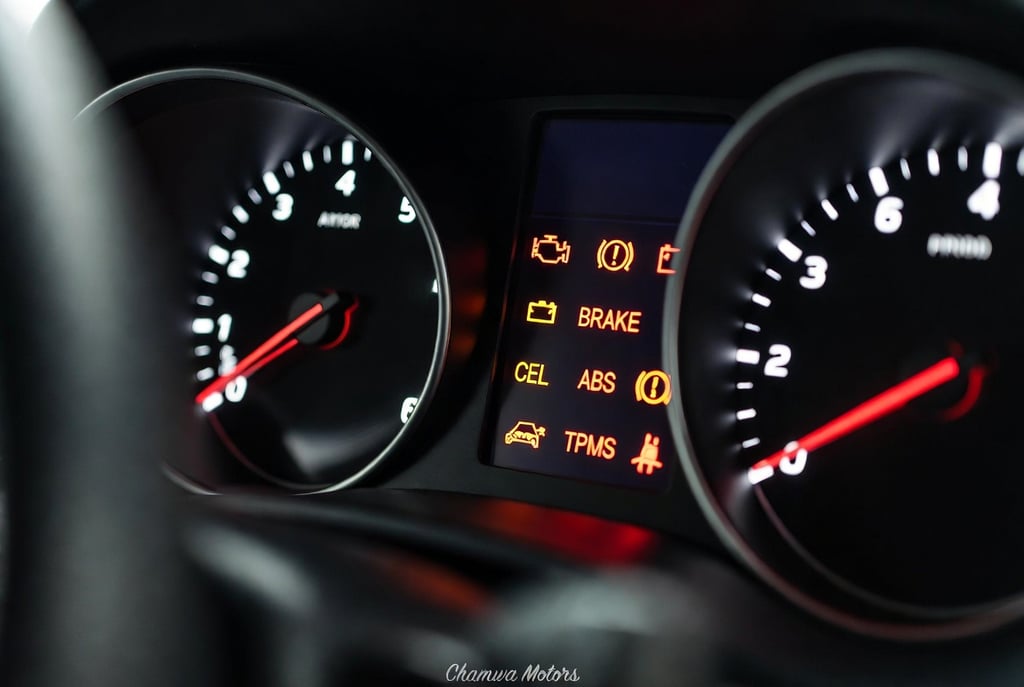
10 Warning Lights on Your Dashboard You Should Never Ignore in Nairobi Traffic
Nairobi traffic is unforgiving. Stuck in stop-and-go jams, surrounded by matatus and boda bodas, the last thing you need is a dashboard warning light flashing unexpectedly. Many drivers in Kenya ignore these lights until it’s too late — resulting in costly breakdowns, towing fees, or even accidents.
At Chamwa Motors on Dagoretti Corner, Ngong Road, we see the consequences daily. Here are the 10 warning lights you should never ignore, especially in Nairobi’s hot, dusty, and congested conditions.
1. Engine Temperature / Coolant Warning Light (Thermometer or “TEMP”)
This red light means your engine is overheating — a very common issue in heavy traffic where airflow is minimal. Continuing to drive can warp the cylinder head or blow a gasket.
What to do: Pull over safely, turn off the AC, switch on the heater (to draw heat away), and let the engine cool. Check coolant levels once safe. Never open the radiator cap when hot.
2. Oil Pressure Warning Light (Oil Can Symbol)
Low oil pressure starves the engine of lubrication. In Kenya’s heat and with frequent short trips, oil degrades faster.
What to do: Stop immediately and check oil level. Top up if low, but have the system inspected for leaks or a failing oil pump. Ignoring this can seize your engine.
3. Battery / Charging System Warning Light (Battery Symbol)
This indicates the alternator isn’t charging the battery properly. Nairobi’s heat accelerates battery drain, and a failing system can leave you stranded at night.
What to do: Get the battery and alternator tested. Clean terminals regularly to prevent corrosion from dust and moisture.
4. Brake System Warning Light (Red “BRAKE” or Circle with Exclamation)
Low brake fluid, worn pads, or a parking brake issue. In heavy traffic with constant stopping, brakes wear out quickly.
What to do: Stop driving if safe and check brake fluid. Have pads, discs, and the full system inspected immediately — brake failure in traffic is dangerous.
5. Check Engine Light (Engine or “CEL” Symbol)
This amber or red light signals issues from a loose fuel cap to serious problems like misfires or emissions faults. In older Kenyan cars, it often relates to sensors affected by dust or poor fuel.
What to do: Don’t panic if solid, but get a diagnostic scan soon. If flashing, stop driving — it indicates a misfire that can damage the catalytic converter.
6. ABS (Anti-lock Braking System) Warning Light
Faulty ABS means your brakes may lock up during emergency stops, especially on wet roads during the long rains.
What to do: The regular brakes may still work, but handling in slippery conditions becomes risky. Have sensors and wiring checked.
7. Airbag / SRS Warning Light
This means the airbag system (Supplemental Restraint System) may not deploy in a crash. With chaotic driving conditions, this is a major safety risk.
What to do: Visit a mechanic for diagnosis — it could be a simple sensor issue or wiring fault. In some cases, driving without functional airbags is highly unsafe.
8. Tyre Pressure Monitoring System (TPMS) Light
Low tyre pressure from potholes and temperature changes increases blowout risk and fuel consumption.
What to do: Check all tyre pressures (including spare) and inspect for damage. Under-inflated tyres wear faster on rough Kenyan roads.
9. Transmission / Gearbox Warning Light
Overheating transmission fluid or shifting problems, common when crawling in traffic with AC running full blast.
What to do: Reduce speed, avoid aggressive driving, and have the transmission fluid checked and serviced promptly.
10. Power Steering Warning Light
Loss of power steering assistance makes turning difficult, especially at low speeds in tight traffic or parking.
What to do: Check power steering fluid if applicable, or have the electric system diagnosed. Driving without assistance increases fatigue and accident risk.
Red vs Amber Lights — Know the Difference
Red lights usually mean stop now to avoid major damage. Amber/yellow lights mean get it checked soon before it worsens. In Nairobi’s heat and traffic, even amber lights can escalate quickly.
Prevention Tips for Nairobi Drivers
Check fluid levels (coolant, oil, brake) weekly when the engine is cool.
Service your car every 5,000–10,000 km or as recommended.
Use quality parts and genuine fluids suited to Kenyan conditions.
Address dashboard lights the same day — delays multiply repair costs.
The Real Cost of Ignoring Warning Lights
A simple diagnostic scan and minor fix might cost KSh 3,000–8,000. Ignoring overheating or oil pressure issues can lead to engine replacement costing KSh 150,000–400,000+ depending on your vehicle (Toyota, Mercedes, Subaru, etc.).
Don’t wait until you’re stranded in traffic or facing a huge repair bill. At Chamwa Motors, we offer fast dashboard diagnostic scans, cooling system checks, brake inspections, and full electrical services tailored for Nairobi driving.
Book your vehicle health check today via WhatsApp or visit us at Dagoretti Corner, Ngong Road. Let our experienced technicians decode those warning lights and keep your car reliable on Kenyan roads.
Drive alert, stay safe, and never ignore your dashboard — it’s your car’s way of asking for help!