
Surviving Nairobi Traffic: Why Your Car Overheats in Jams and How to Prevent It
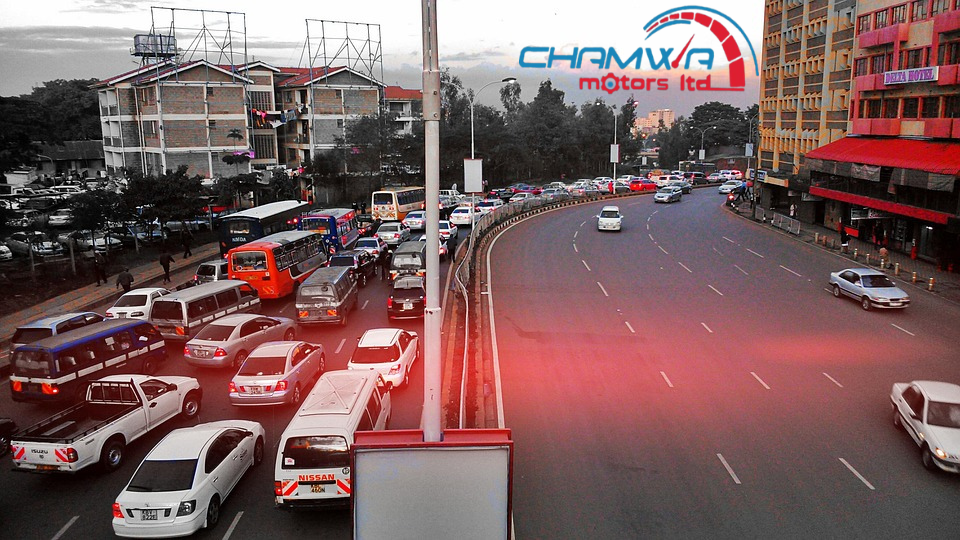
Nairobi’s infamous traffic jams are part of daily life for most drivers.
Mwai Muia
3/26/20263 min read
Surviving Nairobi Traffic: Why Your Car Overheats in Jams and How to Prevent It
Nairobi’s infamous traffic jams are part of daily life for most drivers. Whether you’re crawling along Ngong Road from Dagoretti Corner to the city centre, stuck on Waiyaki Way, battling Mombasa Road during peak hours, or inching through Uhuru Highway, your car’s temperature gauge often starts climbing. Many motorists only notice the problem when steam begins escaping from under the bonnet or the red warning light flashes.
At Chamwa Motors on Dagoretti Corner, Ngong Road, we handle overheating cases almost every week — especially during hot dry seasons and when air conditioning runs non-stop. Understanding why this happens in stop-and-go traffic can save you from expensive breakdowns.
Why Cars Overheat in Nairobi’s Stop-and-Go Traffic
Modern engines generate significant heat while running. At highway speeds, air flows naturally through the radiator to dissipate that heat. In heavy Nairobi traffic, however, your vehicle spends long periods idling with very little forward movement. The engine continues producing heat, but cooling efficiency drops sharply.
Here are the most common causes we see in Nairobi:
Low or Contaminated Coolant Coolant (antifreeze mixture) absorbs heat from the engine and transfers it to the radiator. When levels drop due to leaks or evaporation, or when drivers top up with plain water, the system fails. Plain or salty water boils at a lower temperature and promotes rust and scale buildup inside the radiator and engine block.
Blocked or Dirty Radiator Nairobi roads throw up plenty of dust, mud, leaves, and plastic debris. These clog the radiator fins and the air conditioning condenser sitting in front of it, drastically reducing airflow and heat dissipation.
Radiator Fan Issues The electric cooling fan is critical at low speeds or when stationary. A faulty fan motor, bad relay, blown fuse, or damaged wiring means the fan doesn’t activate when needed. This is extremely common in older vehicles and cars that have been in minor accidents.
Thermostat and Water Pump Problems A stuck thermostat (usually closed) prevents proper coolant circulation. A worn water pump circulates coolant inefficiently, especially under the extra load of traffic and AC use.
Additional Nairobi Factors Running the AC at full blast adds extra heat load. Short trips prevent the engine from reaching optimal operating temperature consistently. High ambient temperatures (often above 28°C) and frequent idling compound the issue. Poor quality fuel and neglected oil changes can also indirectly contribute by making the engine work harder.
Warning Signs You Should Never Ignore
Temperature gauge rising above normal while in traffic
Steam or sweet-smelling coolant odour from the engine bay
Fan not spinning audibly when AC is on and car is stopped
Loss of power or rough idling
Coolant leaks under the car (green, pink, or orange puddles)
If you see steam or the gauge hits the red zone, pull over safely, switch off the engine, and do not open the radiator cap until it cools — serious burns can result.
How to Prevent Overheating in Nairobi Traffic
Prevention is far cheaper than repair. Follow these practical steps:
Coolant Maintenance Check the coolant reservoir weekly when the engine is cold. Keep it between the MIN and MAX marks. Use a 50/50 mix of quality antifreeze and distilled water — never tap water. Flush and replace the coolant every 2 years or 40,000–60,000 km.
Radiator and Fan Care Have the radiator cleaned externally during every major service. Remove debris between the radiator and AC condenser. Test the fan operation regularly by turning on the AC at idle and listening for strong operation.
Full Cooling System Service Inspect hoses for cracks or bulges, check the thermostat, pressure-test the system for leaks, and replace the water pump if it’s noisy or leaking. A complete cooling system flush and service at Chamwa Motors typically catches problems early.
Driving Habits That Help
In long jams, turn off the AC periodically and use fresh air mode.
Switch on the heater (even in hot weather) — it draws heat away from the engine.
If safe, turn off the engine during very long stops (more than 5–10 minutes).
Avoid overloading the car, especially in traffic.
Emergency Action If overheating starts, reduce speed if possible, turn off AC, turn on the heater, and drive to a safe spot or garage. Adding coolant when hot can crack the engine block.
The Real Cost of Ignoring Overheating
A simple cooling system service costs between KSh 8,000 and KSh 15,000. However, ignoring the problem can lead to a blown head gasket, warped cylinder head, or complete engine seizure — repairs that easily run from KSh 50,000 to over KSh 200,000 depending on the vehicle make and model (Toyota, Mercedes, Subaru, etc.).
Keep Your Cool with Professional Help
Don’t let Nairobi traffic turn your reliable car into a roadside liability. Regular maintenance tailored to local conditions is the best defence.
At Chamwa Motors, we offer a specialised Cooling System Diagnostic and Service Package that includes:
Coolant level and quality check
Radiator cleaning and pressure testing
Fan, relay, and thermostat inspection
Hose and belt condition assessment
Full system flush and refill with premium coolant
Book your cooling system check today via WhatsApp or visit us at Dagoretti Corner, Ngong Road. Our experienced technicians understand Nairobi’s unique driving challenges and will get your car ready to handle traffic without drama.