
Top 7 Car Breakdowns in Kenya and How to Avoid Them
Most breakdowns are preventable with regular maintenance. Here are the top 7 common car breakdowns in Kenya and practical ways to avoid them.
Mwai Muia
3/28/20263 min read
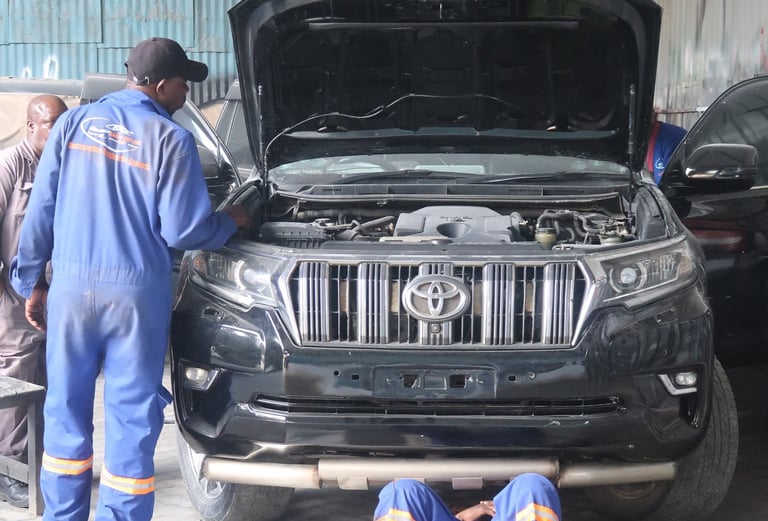
Top 7 Car Breakdowns in Kenya and How to Avoid Them (Overheating, Flat Tyres, Brake Failure & More)
Kenya’s roads — from the pothole-ridden streets of Nairobi to long highways like Nairobi–Mombasa or Nairobi–Nakuru — are tough on vehicles. Stop-and-go traffic on Ngong Road, Waiyaki Way, and Uhuru Highway, combined with dust, heavy rains, heat, and poor road conditions, causes frequent breakdowns. At Chamwa Motors on Dagoretti Corner, Ngong Road, we see the same issues week after week.
Most breakdowns are preventable with regular maintenance. Here are the top 7 common car breakdowns in Kenya and practical ways to avoid them.
1. Engine Overheating
Overheating tops the list, especially in Nairobi’s heavy traffic. Low coolant levels, dirty radiators, faulty fans, or a stuck thermostat prevent proper heat dissipation when the car idles for long periods.
How to avoid it: Check coolant levels weekly (when the engine is cold). Use a 50/50 mix of quality antifreeze and distilled water — never plain tap water. Have the radiator cleaned and the cooling system pressure-tested every 6–12 months. Test the radiator fan regularly by switching on the AC at idle.
2. Flat Tyres and Blowouts
Potholes, sharp stones, nails, under-inflation, and worn tyres cause frequent punctures and blowouts, particularly on rough roads or during long trips.
How to avoid it: Maintain correct tyre pressure (check weekly), ensure at least 3mm tread depth, and rotate tyres every 8,000–10,000 km. Inspect sidewalls for cuts or bulges before long journeys. Carry a spare tyre, jack, and wheel spanner in good condition.
3. Brake Failure or Excessive Wear
Constant braking in Nairobi traffic and on hilly routes accelerates wear on pads, discs, and fluid. Contaminated brake fluid or worn components reduce stopping power, increasing accident risk.
How to avoid it: Listen for squealing or grinding noises and feel for a spongy pedal. Replace brake pads before they reach minimum thickness. Flush and replace brake fluid every 2 years. Have the full braking system inspected during every major service.
4. Battery Failure
Kenya’s heat, dust, and frequent short trips drain batteries quickly. Corroded terminals and old batteries fail to start the engine, especially after overnight parking or during rainy seasons.
How to avoid it: Clean battery terminals regularly and ensure connections are tight. Test battery voltage and load every 6 months. Replace batteries every 2–3 years (or sooner in hot conditions). Avoid leaving accessories on when the engine is off.
5. Suspension and Shock Absorber Damage
Potholes, speed bumps, and uneven roads destroy shocks, struts, ball joints, and bushings. Symptoms include bouncing, uneven tyre wear, and clunking noises.
How to avoid it: Drive cautiously over bad sections and avoid overloading. Have suspension checked every 10,000 km or after hitting major potholes. Replace worn shocks in pairs (front or rear) for balanced handling.
6. Electrical and Alternator Problems
Faulty wiring, alternator failure, or blown fuses cause dashboard lights to stay on, dim headlights, or complete power loss. Dust and moisture worsen issues in older vehicles.
How to avoid it: Inspect belts and wiring during services. Test the alternator output regularly. Fix dashboard warning lights immediately — they often signal charging or sensor problems.
7. Fuel System Issues (Running Out or Contaminated Fuel)
Running out of fuel on highways or using low-quality/contaminated fuel leads to clogged filters, injector problems, or sudden stalling.
How to avoid it: Keep your tank at least a quarter full, especially on long trips. Use reputable fuel stations. Replace fuel filters as recommended and have the fuel system cleaned periodically.
Warning Signs and Emergency Tips
Never ignore rising temperature gauges, strange noises, warning lights, or vibrations. If your car breaks down, pull over safely, switch on hazard lights, and call for professional towing. Attempting temporary fixes on major issues like overheating can cause permanent engine damage.
The Real Cost of Neglect
A simple cooling system service or brake job might cost KSh 8,000–15,000. However, a blown head gasket from overheating or full suspension replacement can easily reach KSh 30,000–80,000 or more, depending on the vehicle (Toyota, Mercedes, Subaru, etc.). Regular maintenance saves thousands in the long run.
Protect Your Vehicle with Professional Care
The best defence against these breakdowns is consistent servicing tailored to Kenyan conditions. At Chamwa Motors, we offer comprehensive diagnostic packages covering cooling systems, brakes, suspension, tyres, batteries, and electrical checks at affordable rates.
Don’t wait for the next breakdown to strand you in traffic or on the highway. Book a full vehicle inspection or service today via WhatsApp or visit us at Dagoretti Corner, Ngong Road. Our experienced team will keep your car reliable whether you drive daily in Nairobi or travel upcountry.
Drive safely, maintain regularly, and enjoy worry-free motoring on Kenyan roads!